
7 Signs Your Garage Door Opener Motor Is Failing (And What to Do)
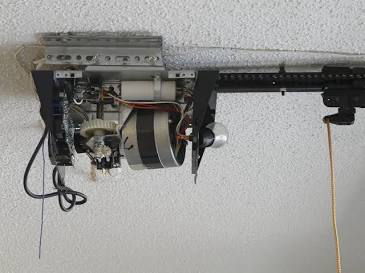
No response, humming, grinding or mid-cycle stops can point to an opener motor problem. Learn what to check first and when Sacramento homeowners should call for service.
Quick answer: is the motor actually failing?
A silent or struggling opener does not automatically mean the motor is dead. First confirm the opener has power, replace the remote battery, unlock the wall control and clear the photo-eye sensors. Then look at the garage door itself: a broken spring, slipped cable or binding track can make a healthy opener appear weak.
If the door feels unusually heavy after using the emergency release, stop. Garage door springs carry the door's weight, and forcing the opener to lift an unbalanced door can damage the motor or drive system.
1. No response from the remote or wall button
Complete silence — no hum, click, light or movement — can indicate lost power, a failed logic board or an internal motor fault. Check the outlet with another device and confirm the breaker and opener lock switch are on before assuming the motor has failed.
If power reaches the unit and neither control works, a professional electrical diagnosis can separate a repairable board or wiring problem from motor failure.
2. The opener hums, but the door does not move
A humming opener is receiving a command but cannot transfer enough force to move the door. Possible causes include a weak start capacitor, worn motor windings, a stripped drive gear or a broken spring that has made the door too heavy.
Do not keep cycling the button. Repeated attempts can overheat the motor and turn a smaller repair into an opener replacement.
3. Grinding, buzzing or rapid clicking comes from the opener
Noise from inside the overhead housing — rather than from the rollers or track — often points to worn gears, bearings, a coupler or another drive component. A technician can open the housing and identify whether the motor itself or the parts around it are failing.
Grinding from the door tracks is a different problem and should be checked for bent track, worn rollers or loose hardware.
4. The door stops or reverses in the middle of travel
An opener that quits after moving partway may be overheating or losing power under load, but sensor alignment, travel settings, a binding door or failing springs can cause the same symptom. This is why a full balance and safety test matters before replacing the motor.
If the problem appears after several cycles and returns after the unit cools, the opener's thermal protection may be shutting it down.
5. The circuit breaker trips when the opener runs
A breaker that repeatedly trips can mean the opener is drawing abnormal current because of an electrical short, seized component or excessive mechanical load. Do not keep resetting the breaker or use an extension cord as a workaround.
Disconnect the opener and arrange an inspection. Persistent electrical faults require prompt attention because they can damage the unit and create a safety risk.
6. You notice a burning or hot-electrical smell
A burning odor from the opener housing is an immediate stop signal. It may come from overheated wiring, damaged motor insulation, a failing capacitor or a shorted circuit board.
Stop using the door, disconnect the opener if you can do so safely and keep the area clear until it has been inspected.
7. The motor runs, but the chain, belt or door does not move
If you hear the motor spinning while the door stays still, the failure may be in the drive gear, sprocket, belt, chain or coupling rather than the motor windings. Many openers use a sacrificial gear that wears down to protect more expensive parts.
This can be repairable on a newer opener. On an older unit with discontinued parts, replacement may offer better value and reliability.
Repair or replace the garage door opener?
Repair is often sensible when the opener is newer and the fault is a replaceable capacitor, gear, sensor or control board. Replacement usually makes more sense when the motor windings have failed, several major parts are worn, safety features are outdated or the unit is already around 10–15 years old.
In California, a newly sold or installed residential opener must include battery backup. A modern replacement can also add quieter belt-drive operation, rolling-code security and Wi-Fi controls.
Same-day opener diagnosis across Greater Sacramento
A&M Garage Door & Gate Service diagnoses LiftMaster, Chamberlain, Genie, Craftsman, Sommer, Linear and Marantec systems across Sacramento, Natomas, Elk Grove, Roseville, Folsom, Rocklin, Citrus Heights and surrounding communities.
We test the opener, springs, cables, tracks, door balance and safety reverse system before recommending a repair or replacement. That complete inspection helps prevent paying for a new motor when the real problem is a heavy or binding door.
Frequently asked questions
How do I know if my garage door opener motor is bad?
Common signs include no response after power and remote checks, humming without movement, grinding inside the opener housing, stopping mid-cycle, repeated breaker trips, or a burning smell. A technician should also test the springs and door balance because a heavy door can mimic motor failure.
Why does my garage door opener hum but not move?
The opener may have a failed capacitor, stripped drive gear, worn motor components, or a door that is too heavy because of a broken spring. Stop repeatedly pressing the button and have the complete door-and-opener system tested.
Can a garage door opener motor be repaired?
Sometimes. Capacitors, gears, couplers, sensors and logic boards may be replaceable. If the motor windings have failed, parts are discontinued, or the opener is roughly 10–15 years old, replacement is often the more reliable choice.
How long does a garage door opener motor last?
Many residential openers last about 10–15 years, but cycle frequency, Sacramento heat, maintenance and door balance all matter. A worn spring or binding track can shorten motor life by forcing the opener to lift more weight than intended.
Is it safe to use an opener that smells like it is burning?
No. Stop operating it, disconnect power if it is safe to do so, keep people away from the door and arrange an inspection. A burning odor can indicate overheated wiring, a failing board or motor damage.
Does a replacement garage door opener need battery backup in California?
Yes. California law requires residential automatic garage door openers sold or installed on or after July 1, 2019 to include battery backup. A replacement residential door also cannot be connected to a noncompliant opener.
Do you offer same-day garage door opener repair near Sacramento?
Yes. A&M Garage Door & Gate Service provides same-day opener diagnosis, repair and replacement across Sacramento, Natomas, Elk Grove, Roseville, Folsom, Rocklin, Citrus Heights and nearby communities, subject to technician availability.
Talk to a local technician
Free estimates and upfront pricing on garage door and gate repair anywhere in Greater Sacramento — 24 hours a day.
Keep reading
- 5 Garage Door Warning Signs Sacramento Homeowners Should Not Ignore
- 5 Reasons to Upgrade Your Garage Door Weather Seals This Fall
- Is Your Garage Door Weatherproof? Why a New Bottom Seal Matters
- Maximizing Energy Efficiency: The Importance of Garage Door Insulation
- Wayne Dalton TorqMaster Springs: Most-Asked Questions & Facts (2026)
- How Long Do Garage Door Springs Really Last in Sacramento's Climate?
- Is It Cheaper to Repair or Replace My Garage Door Opener?
- California's Battery Backup Law for Garage Door Openers, Explained